Tempering Steel Can Turn Weak Metal into a Hero
Updated: 17 May 2025
1058
Tempering steel is a way to make steel strong but not too hard. When steel is very hard, it can break easily. To fix this, people heat the steel again at a lower temperature. This process is called tempering. It helps the steel become tough, bendy, and safe to use. In this guide, we will learn how tempering works, why it is important, and where it is used in daily life.
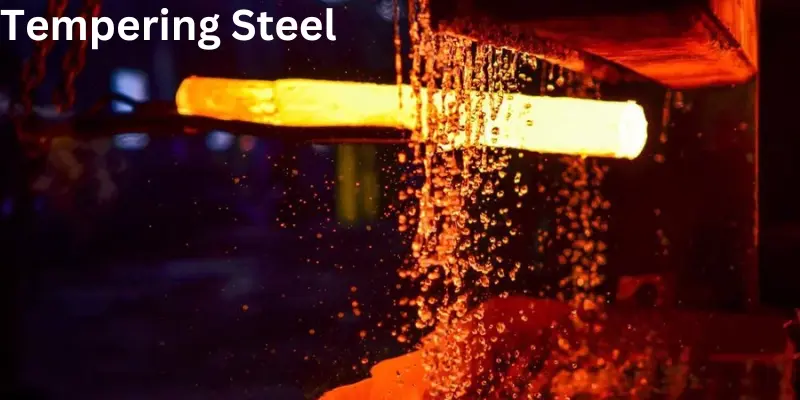
What is Tempering Steel?
Tempering steel means heating it again after it has been hardened. This makes the steel less brittle and more useful. It helps balance strength and flexibility.
- Tempering is done after hardening
- It reduces the chance of steel breaking
- Makes steel strong but not too hard
You May Also Visit It
What Is Non-Ferrous Metals | Types | Pros And Cons – Complete Guide
What is Ferrous Metals – Types, Uses, Key – Complete Guide
Diagram of V8 Engine Explore the Power Behind Every Part
What is Cold Roll Steel: Types, Grades and Uses | Pros and Cons
Why Do We Temper Steel?
We temper steel to make it safer and longer-lasting. Hard steel can break easily, but tempered steel can bend a little without snapping
- Prevents steel from cracking
- Increases toughness
- Helps steel last longer
Difference Between Annealing, Hardening, Tempering, and Quenching?
Each of these processes changes the steel in a unique way. Here’s how they are different:
Annealing
- This process softens the metal to make it easier to shape or cut.
- Steel is heated to a high temperature and then cooled very slowly.
- It reduces stress in the metal and improves flexibility.

Hardening
- Hardening makes steel extremely strong and hard but also brittle.
- The metal is heated to a high temperature and cooled quickly, often in water or oil.
- It is used for tools that need to be very tough.

Tempering
- Tempering is done after hardening to reduce brittleness and improve toughness.
- Steel is reheated to a lower temperature and then cooled slowly.
- This balances strength and flexibility, making the steel more reliable.
Quenching
- Quenching rapidly cools the steel after heating.
- It locks in the hardness but can make the steel brittle without tempering.
- Different liquids like oil, water, or air are used to cool the metal quickly.

Each of these processes plays an important role in making steel suitable for specific uses, depending on how strong, flexible, or durable it needs to be.
How Tempering Steel Works
Tempering works by heating the steel at a lower temperature. This heat changes the structure inside the steel and makes it stronger but softer than before.
- Steel is heated again but not too hot
- The process changes the steel’s inside parts
- It creates a better balance of strength and softness
Types of Tempering Methods
There are a few ways to temper steel. Each way is chosen based on how the steel will be used.
- Low-Temperature Tempering: For tools that need to stay hard
- Medium-Temperature Tempering: For strong and flexible parts
- High-Temperature Tempering: For parts that face heavy force
Common Tempering Temperatures
Different steels need different temperatures. These are some basic ranges used while tempering.
- 150°C to 200°C for hard tools
- 250°C to 350°C for strong machine parts
- 400°C to 600°C for soft but tough steel
Tools Needed for Tempering
Tempering needs some basic tools. These tools help control heat and keep the process safe.
- Heating source like an oven or furnace
- Thermometer to check temperature
- Tongs to hold hot steel
- Safety gloves and glasses
The Science Behind Tempering Metal
Tempering metal works by heating it to a specific temperature and then cooling it down slowly. This process changes the metal’s properties, making it stronger and more flexible. Here’s how tempering works:

- Heating the Metal: The metal is heated to a specific temperature, usually between 400°F to 1,200°F, depending on the type of steel.
- Changing the Structure: As the metal heats up, its structure changes, which helps balance hardness and toughness.
- Cooling Slowly: After heating, the metal is cooled slowly, usually in air or oil. This step reduces the brittleness of the metal while keeping it strong.
- Improving Flexibility: Tempering helps make the metal more flexible, so it can bend without cracking.
- Control Over Hardness: By adjusting the tempering temperature, the steel’s hardness can be controlled to meet different needs.
Tempering is a critical step in making sure metals are both strong and flexible for practical use in everyday items like tools and machinery.
You May Also Visit It
What is Ferrous vs Non Ferrous Metals – Complete Guide
Heat Treating Steel | Key Temperatures for Hardening, Types and Uses
What is Titanium Steel – Types, Uses, Properties and Modern Metal
Spring Steels – Characteristics, Uses, Types and Pros and Cons
Where Tempered Steel is Used
Tempered steel is used in many things we use daily. It is found in tools, machines, and even home items.
- Kitchen knives
- Car parts
- Hammers and drills
- Cutting tools
Safety Tips While Tempering
Working with hot steel can be dangerous. These tips help stay safe while tempering.
- Wear heat-proof gloves and eye protection
- Use tools with care
- Never touch steel right after heating
- Work in a well-ventilated area
Hardening and Tempering Metal
Hardening and tempering are two different processes used to make metal stronger and more durable. While they both help improve the steel’s strength, they work in different ways:
- Hardening: This process involves heating the metal to a high temperature and then quickly cooling it down (often in water or oil). This makes the steel very hard but also brittle, meaning it can break more easily.
- Tempering: After hardening, the steel needs tempering to reduce the brittleness. Tempering involves heating the steel to a lower temperature and then slowly cooling it, which makes the steel tougher and less likely to crack.
- Key Difference: Hardening makes the metal strong but fragile, while tempering improves its toughness, so it can handle stress without breaking.
- Why Both Are Needed: Hardening alone makes the steel hard but too fragile for most uses. Tempering balances the hardness with flexibility, ensuring the steel can handle daily wear and tear without breaking easily.
- Real-World Use: Hardening and tempering are used together in making items like tools, machinery parts, and construction materials to make them strong, long-lasting, and safe to use.
Benefits of Tempering
Tempering steel brings several important advantages that make it stronger and more useful. Here are some key benefits:
| Benefits |
|---|
|
These benefits make tempered steel a top choice for industries that require strong and reliable materials.
Drawbacks of Tempering
While tempering has many benefits, it also has a few drawbacks that need to be considered. Some of the main disadvantages are:
| Drawbacks |
|---|
|
FAQs About What is Tempering Steel
What does tempering do to steel?
- Tempering steel helps make it stronger and more flexible. After steel is hardened, it can become very brittle, meaning it could crack easily. Tempering reduces this brittleness while keeping the steel tough enough for heavy use. This makes it less likely to break under stress.
Can all metals be tempered like steel?
- While tempering is most commonly used for steel, other metals can also go through similar processes to make them stronger and more flexible. However, the tempering process for steel is one of the most well-known because of steel’s widespread use in construction and tools.
How does temperature affect the tempering process?
- The temperature at which steel is heated during tempering affects its final properties. If the steel is heated to a higher temperature, it becomes softer, while lower temperatures keep it harder. The right temperature is chosen based on the purpose of the steel.
How long does the tempering process take?
- The tempering process doesn’t take long usually just a few hours. The steel is heated, held at a certain temperature for a while, and then cooled. The exact time depends on the type of steel and how much it needs to be tempered.
Conclusion
Tempering steel is an important process that helps make steel both strong and flexible. By heating and cooling steel carefully, it becomes less likely to break and can handle more stress. This process is used in many industries to create materials that are durable and safe to use.
Without tempering, steel would be too brittle, making it unsuitable for many jobs. The right balance of strength and toughness achieved through tempering makes it a valuable material in everyday tools, machines, and construction.
You May Also Visit It
Aluminium Metal, Types, Uses, Properties and Rust Aluminium
What is Iron Metals: Properties, Uses, and Benefits
Why Inconel Alloy is the Backbone of Aerospace and Industry
Is Aluminium Magnetic Material | Types, Uses and Properties
Spray Arc Welding – Step by Step Guide – Need Metals
Please Write Your Comments