Metal Tools | Types, Uses, Side Effect and Benefits
Updated: 02 Dec 2024
344
Metal tools are special objects made from metal, like hammers, scissors, and wrenches, that help us build, fix, and create things. Imagine trying to build a treehouse or fix a bike without the right tools it would be super hard. These tools are like helpers that make our work faster and easier.
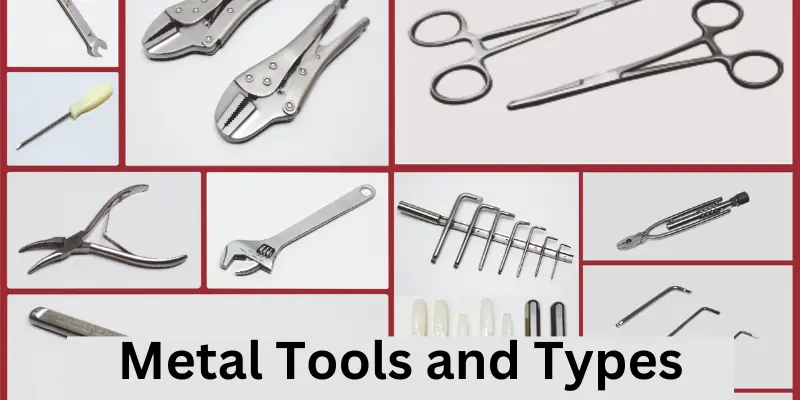
We’ll learn about the different kinds of metal tools, what they do, and how they make life better for everyone from builders to artists. By the end, you’ll know a lot about these amazing tools and why they are so important. 😊
What is Metal Tools
Metal tools are important because they are tough and last a long time. They help builders, mechanics, and even people at home fix things or create new items. For example, a farmer might use a metal spade to dig the soil, while a car mechanic uses wrenches to fix vehicles.
Here’s a simple example:
- Hammers: These are used to drive nails into wood or break things apart.
- Saws: These cut through wood, metal, or plastic.
- Screwdrivers: They help tighten or loosen screws.
You May Also Visit It
Copper Zinc Alloys – Step by Step Guide
Cast Iron Melting Temp | Discover Its Industrial Secrets
Is Aluminium Magnetic Material | Types, Uses and Properties
Physical Properties Are Shared by Most Metals
History of Metal Tools
The history of metal tools is a fascinating story of how humans learned to shape metal to make their lives easier. Thousands of years ago, during the Stone Age, people used simple stone tools. But then, they discovered how to use metal, which was much stronger and lasted longer.
The first metal tools were made from copper. People found copper in rocks and melted it to shape simple tools like knives and hammers. This was the beginning of the Copper Age, around 5,000 years ago. After that, they learned to mix copper with tin to make bronze, a harder and more durable metal. This period is called the Bronze Age.
Later, humans discovered iron, which was even stronger than bronze. The Iron Age started about 3,000 years ago. Blacksmiths used fire to heat iron, making it soft enough to shape into swords, plows, and other tools. This was a big step forward because iron tools made farming, building, and even wars more efficient.
People learned to work with other metals, like steel, which is made by mixing iron with a little carbon. Steel is strong and does not rust easily, It’s still used today in tools, buildings, and machines.
The journey from simple stone tools to modern metal tools shows how humans have always used creativity and science to solve problems and improve their world.
Types of Metal Tools
Metal tools are special instruments made to cut, shape, or join pieces of metal.
Let’s explore the different types in a way that’s easy to remember:
1. Cutting Tools
Think of cutting tools like scissors but for metal. Tools like saws, shears, and grinders help slice through thick pieces of metal. For example:
- Saws
- Hand Saw: A simple tool with a sharp blade that you move back and forth to cut wood or metal.
- Hack Saw: It looks like a big hand saw but is used for cutting metal pipes and rods.
- Shears
- These are like heavy-duty scissors for cutting thin metal sheets or wires.
- Angle Grinders
- Imagine a spinning disk that can cut metal or smooth its edges. It’s like a super-strong pizza cutter for metal.
- Bolt Cutters
- These are tools with long handles that can cut through chains, locks, or thick wires.
- Drills with Cutting Blades
- Some drills come with attachments to cut or shape metal. It’s like using a spinning pencil to carve designs.
2. Shaping Tools
Shaping tools are used to mold or polish metal into the shape you need. Imagine shaping clay, but much tougher. Tools like lathes spin the metal to make it smooth or round, while grinders make it shiny.
- Lathes: A lathe is a tool that spins a piece of metal around while a sharp tool is used to cut it. It helps shape the metal into round things, like pipes or cylinders. Imagine a pencil sharpener but much bigger.
- Grinders: These tools use a spinning wheel with very rough surfaces to grind away parts of the metal. It’s like using sandpaper to make things smooth, but much faster.
- Milling Machines: A milling machine is like a big drill that moves side-to-side as well as up-and-down. It is used to cut and shape metal into flat surfaces, grooves, or other shapes.
- Presses: A press is a tool that uses a lot of force to shape metal. It can stamp out shapes, like making coins, or bend large sheets of metal into curves.
- Drills: Drills are used to make holes in metal. You can think of it like the hole puncher you might use for paper, but much stronger.
3. Joining Tools
Joining tools help stick pieces of metal together. Think of them as the glue for metal.
- Welding Machine: Uses heat to melt and join pieces of metal together.
- Riveter: A tool that uses rivets (small metal pins) to fasten two pieces of metal.
- Screws and Screwdrivers: Screws twist into metal to hold it in place. You use a screwdriver to tighten or loosen them.
- Nail Gun: Shoots nails into materials like wood or metal to hold them together.
- Bolt and Nut: A bolt goes through two pieces, and a nut tightens it to keep them in place.
4. Special Tools
These are tools for fancy jobs, like cutting with lasers or spraying water to shape metal. They are like magic wands for super detailed work.
- Laser Cutter: A tool that uses a laser beam to cut or engrave materials like wood, metal, or plastic. It’s super precise and can make really detailed designs.
- 3D Printer: This tool makes three-dimensional objects by printing layer by layer. It’s like a regular printer but with plastic or metal instead of ink.
- Plasma Cutter: This tool uses hot plasma (superheated gas) to cut through thick metals like steel. It’s used in construction and car repair.
- Welding Machine: This tool helps to melt and join pieces of metal together. It’s like a “super glue” for metals but with heat instead of sticky stuff.
- Water Jet Cutter: This tool uses a very high-pressure stream of water (sometimes mixed with an abrasive) to cut through materials like metal, glass, or stone without creating heat.
- CNC Machine: Stands for “Computer Numerical Control.” This tool is controlled by a computer and can cut, shape, or carve materials very precisely. It’s like a robot making things for you.
- Pipe Bender: A tool that helps to bend pipes or tubes into the shape you need without breaking them.
- Torque Wrench: This tool is used to tighten bolts or screws to the right amount of pressure, making sure things are secure but not too tight.
Key Features to Look for in Metal Tools
When picking metal tools, there are a few important things you should think about to make sure you are getting the right one. Here’s a quick guide:
- Strong and Durable: Metal tools should be strong because you’ll be using them a lot. The tool needs to last without breaking easily. This is why some tools are made from really tough metal or special materials.
- Accuracy and Speed: Some tools help you cut or shape metal very precisely, which is important if you want the work to look good. Some tools also work faster than others, saving you time. So, the right tool can make your job quicker and cleaner.
- Easy to Use and Take Care Of: The tool should not be too hard to use, especially if you are new to it. It should also be easy to clean and keep in good shape. This way, you won’t have to worry about it breaking or getting dirty too fast.
- Safety Features: Safety is very important when using metal tools because they can be sharp or powerful. Look for tools with safety parts like covers to protect your hands, or features that stop the tool from working if something is wrong.
Tips for Using and Taking Care of Metal Tools
- How to Use Metal Tools Safely and Correctly
- When you use metal tools, it’s really important to be careful. Always follow the instructions and make sure you are using the right tool for the job. If you are unsure, ask an adult or someone who knows more about tools. Be careful with sharp edges and spinning parts they can be dangerous.
- Taking Care of Your Tools
- To keep your metal tools working well, you need to take good care of them. After using them, clean them off to get rid of dust or rust. You should also make sure the moving parts are oiled so they do not get stuck or break. If a tool starts to get rusty, you can clean it with a special cleaner to help it last longer.
- Mistakes to Avoid
- Sometimes, people make mistakes with their tools, like using the wrong tool for the job or not wearing safety gear like goggles. It’s also important not to try to fix a broken tool yourself unless you know how to do it safely. If you’re unsure, ask for help from a teacher or adult.
Trends and Innovations in Metal Tools
In the world of metal tools, new inventions are always happening to make jobs easier and faster.

- Smart Tools: Some tools now have computers inside them to help people work better. For example, some machines can adjust by themselves to cut metal in the perfect way without a person having to make changes. These tools save time and are more accurate.
- Robots and Automation: Many factories now use robots to help with cutting, shaping, and even putting together metal parts. This means the tools can work all day and night without needing breaks, which helps make things faster and cheaper.
- Eco-Friendly Tools: Some companies are trying to make metal tools that are better for the environment. These tools might use less power, create less waste, or be made from materials that are safer for the planet.
You May Also Visit It
What is Ferrous vs Non Ferrous Metals – Complete Guide
What is Titanium Steel – Types, Uses, Properties and Modern Metal
Plasma Cutter How Does It Work – Complete Guide
Is Copper a Metalloid | Understanding the Classification of Elements
Advantages of Metal Tools
Metal tools are strong and long-lasting, making them perfect for jobs like cutting, shaping, and joining materials. They help workers do their tasks more quickly and safely, which makes a big difference in factories, construction sites, and even at home
| Advantages |
|---|
|
Disadvantages of Metal Tools
Metal tools, while strong and useful, can be heavy, difficult to handle, and might wear out quickly if not cared for properly. Additionally, they can be dangerous if not used with caution, leading to accidents if proper safety measures are not followed.
| Disadvantages |
|---|
|
FAQs About Metal Tools
Metal tools are used to cut, shape, and join metal parts in many ways. In this section, we will answer some of the most common questions people have about these tools, like how they work, which ones are best for different tasks, and how to take care of them.
What are metal tools?
Metal tools are special tools made mostly from metals like steel or iron. They help us cut, shape, or join other materials, especially metals. These tools are used by builders, mechanics, and even for DIY projects at home.
Why are metal tools important?
Metal tools are important because they help people build and fix things. Without them, it would be really hard to make buildings, cars, or machines. They make work faster and easier.
What are the different types of metal tools?
There are many different types of metal tools. Some of the most common ones are:
- Cutting tools: Like saws and scissors, which help cut metal.
- Shaping tools: Like hammers and grinders, which help change the shape of metal.
- Joining tools: Like welding machines, which help put metal pieces together.
How do you use a hammer to work with metal?
A hammer is used to hit and shape metal. If you need to make a metal bend, you use a hammer to pound it into the right shape. It’s important to use the right kind of hammer for the job.
What is a saw used for?
A saw is used to cut through metal. There are different types of saws, like hacksaws or circular saws, that can cut thin or thick metal depending on the type of saw blade you use.
How do I take care of my metal tools?
aking care of metal tools helps them last longer! You should:
- Clean them after use to remove dirt and rust.
- Store them in a dry place to avoid rust.
- Check them for damage, like broken handles or dull blades, and fix them when needed.
What is welding, and why do we use it?
Welding is a way of joining two pieces of metal by heating them until they melt and stick together. It’s like glue for metal but works by melting the metal itself. People use welding to make things like cars, buildings, and bridges.
Can metal tools be dangerous?
Yes, metal tools can be dangerous if you don’t use them properly. Always wear safety equipment, like goggles and gloves, and make sure to follow the instructions carefully. Only use tools if an adult or teacher shows you how to use them safely.
What are some examples of small metal tools I might use at home?
Some small metal tools you might use at home include:
- Scissors for cutting metal or fabric.
- Pliers for gripping and bending metal wires.
- Screwdrivers for tightening screws in metal objects.
How can I learn to use metal tools safely?
You can learn to use metal tools safely by:
- Watching how professionals use them.
- Asking an adult to teach you.
- Always following safety rules, like using the right tools for the job and wearing protective gear.
Conclusion:
Metal tools are very important for many jobs, from building houses to fixing cars. They help people cut, shape, and join metal in different ways. Some tools are hand-held, like a hacksaw, while others are big machines, like a power saw or a welding tool. Each tool is made to do a specific job, and it’s important to choose the right one for the task.
Taking care of metal tools is also very important. You need to clean them, keep them sharp, and use them safely so they last a long time. Today, new and better tools are being made to help people work faster and more safely. you are working at home or in a factory, using the right metal tools will make your job easier and better.
You May Also Visit It
Cast Iron Melting Temp | Discover Its Industrial Secrets
Metal Stamping Aluminum | Easy Steps to Understand Metal Stamping
Diagram of V8 Engine Explore the Power Behind Every Part
Welding Position | Types, Properties and Uses – Pros and Cons
What is Cold Roll Steel: Types, Grades and Uses | Pros and Cons
Please Write Your Comments